
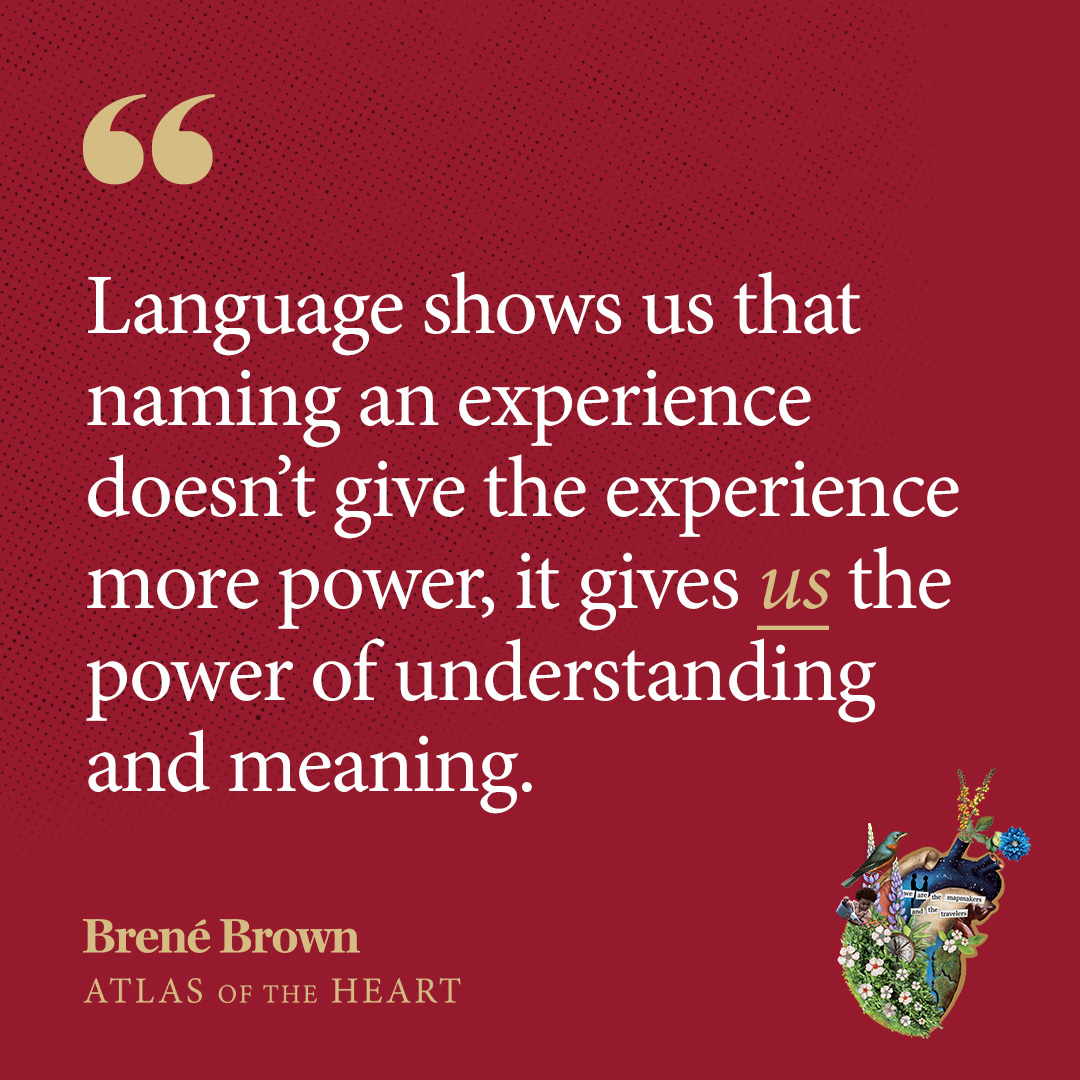
I cannot start this post off without first declaring my love for Brené Brown. I was introduced to her only two years ago when a friend shared her TED Talk with me. She had me at hello and since then I have read five of her books, watched her HBO Series “Atlas of the Heart” and have listened to her podcasts. For anyone who may not be familiar, Brené Brown is a researcher whose work has focused primarily on vulnerability and shame.
In this post however, I want to focus on language, verbal language and the importance in our ability to name our feelings and emotions. Brené Brown found in her work and shared in her book, Atlas of the Heart that on average “people are only able to identify three emotions… happy, sad, and pissed off.”
While it depends on who you ask, some claim that there are as little as 6 basic emotions, while others claim that there are up to 87 emotions. And don’t forget about feelings. There is a difference despite feelings being used so interchangeably with emotions. It’s such a fine line, that I often have to remind myself of the subtle differences.
What is the difference between feelings and emotions?
The APA defines feelings as sensations resulting from emotions, and there’s a long list of them compared to the number of emotions researchers have identified. Like emotions, those experiences are subjective, meaning each individual perceives and processes them differently.
https://www.happierhuman.com/emotions-vs-feelings/
Another way to look at the difference is that we feel feelings and experience emotions. Feelings are more distinct, like a supporting detail to a main idea, aka an emotion.
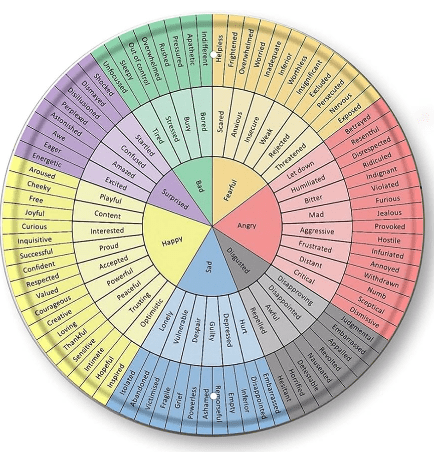
Brené Brown was the one who identified 87 emotions, which is an overwhelming amount of emotions. If you are just starting off making sense of all of this either for yourself or to teach children, there are some other resources that may be much more helpful. I like the Feelings Wheel. I think that it is a great visual to first identify 7 main emotions and then to use the color codes to help identify the feelings that you could be having that led to a particular emotion.
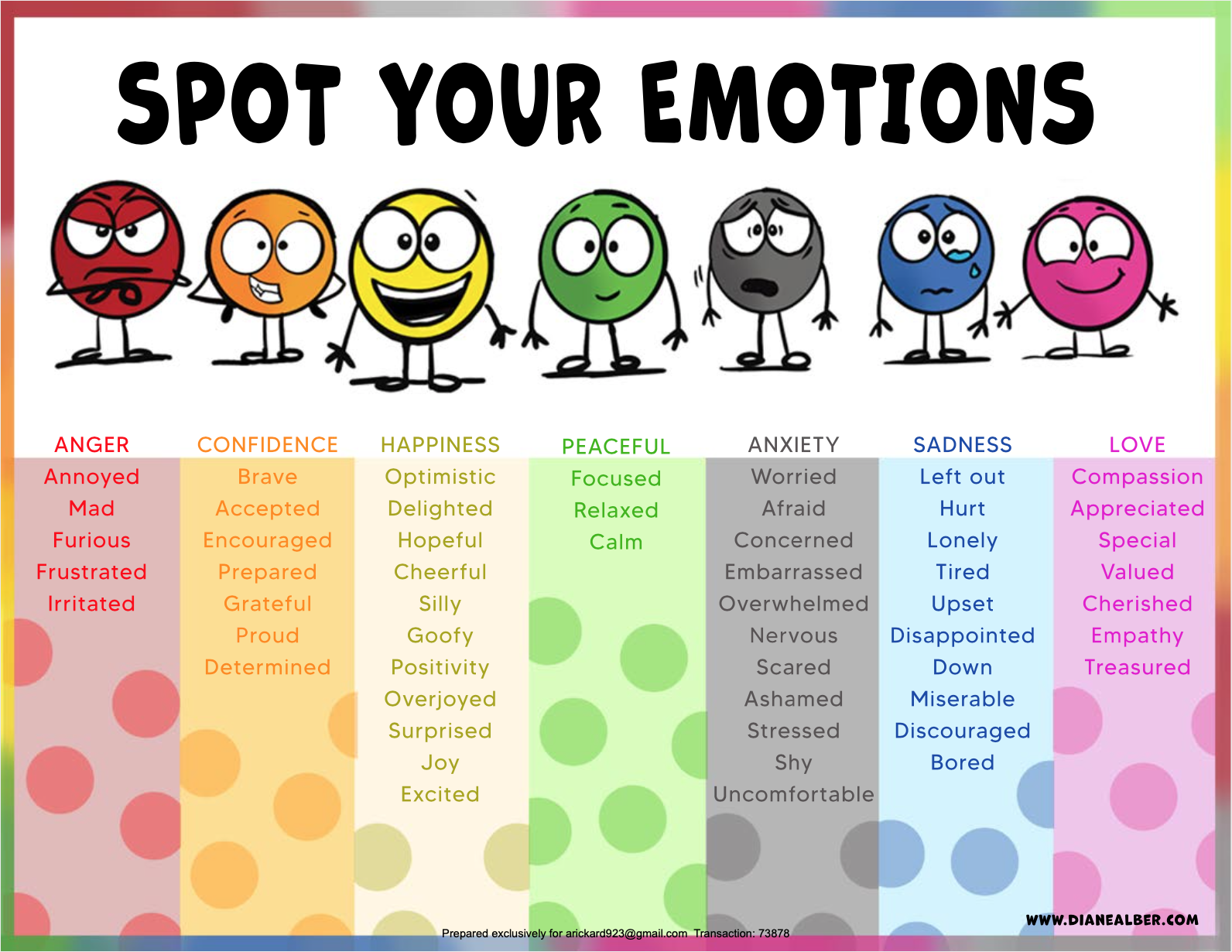
Another resource that is even more child-friendly is this emotions and feeling chart from Diane Abler’s “A Little Spot” Series. There are less words and the words are that are listed here are more likely to pop up in books and discussions that younger children would be exposed to. That exposure along with making this terminology a part of everyday conversation would only enhance their understanding of this language.
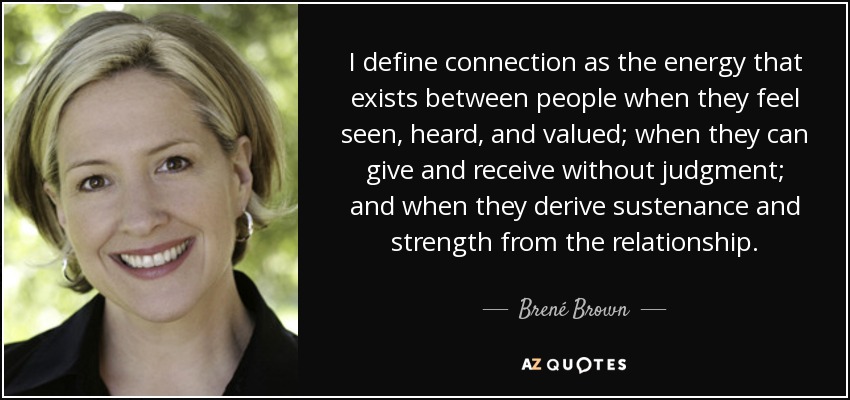
What I learned from Brené Brown in Atlas of the Heart is how important it is to dig deeper into the emotion and to pull out the feeling. It brings about a deeper level of self awareness. Once we can begin to understand ourselves better, we can begin to use our words, our language skills, to better communicate with others in a way to help them understand our thoughts, our experiences, and our perspectives. Communication can lead to connection and at the end of the day, isn’t that what we all strive for?

 amomentsglory.com
Leave a comment